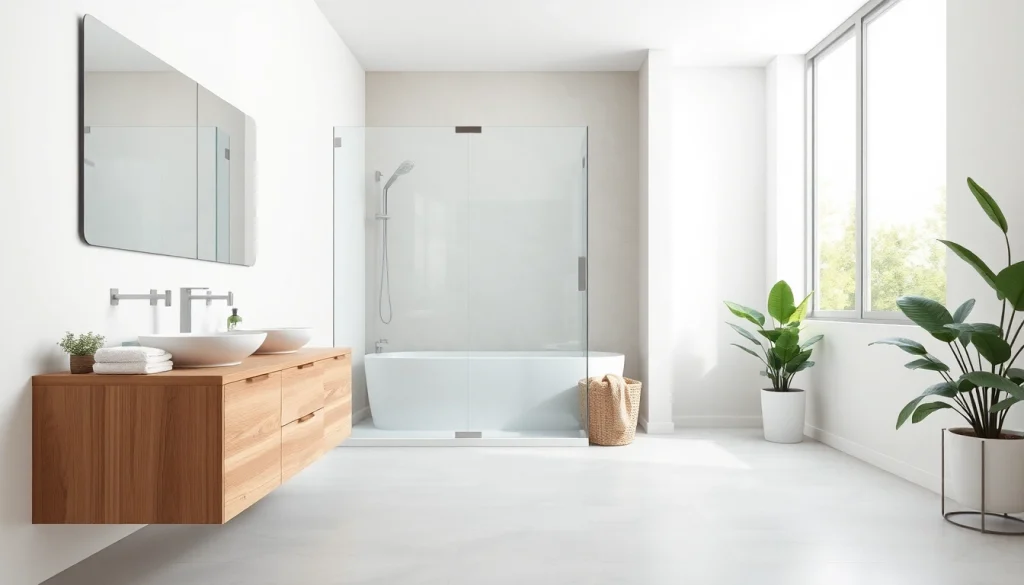

Understanding Shower Screens for Walk In Showers
What are Shower Screens?
Shower screens are transparent barriers designed to enclose a walk-in shower, preventing water from splashing outside of the designated area. They offer a modern aesthetic and functional benefits, creating a closure that brings a sense of openness while maintaining privacy. These screens can vary significantly in design, material, and installation methods, making them a versatile choice for different bathroom styles. Shower screens for walk in showers come in various configurations, including fixed panels and hinged doors that provide easy access while keeping the shower area secure from water escape.
Benefits of Walk In Showers
Walk-in showers have surged in popularity, and for good reason. They offer a seamless entry that is particularly beneficial for individuals with mobility challenges. The design allows for easy access without the need for stepping over a tall tub or shower threshold. Additionally, walk-in showers can make bathrooms appear more spacious. With an open-concept design, the layout enhances visibility and fosters a relaxing environment. The minimalist approach to walk-in showers—often featuring clear glass and sleek finishes—promotes a contemporary look, appealing to many homeowners aiming to create a stylish retreat. Furthermore, incorporating a walk-in shower can increase property value and attract potential buyers who appreciate modern amenities.
Types of Shower Screens Available
Shower screens come in various styles and configurations to suit different aesthetic preferences and functional needs. Key types include:
- Frameless Shower Screens: These screens offer a sleek, modern look without visible framing. The clear glass enhances the feeling of openness.
- Framed Shower Screens: A sturdy option that incorporates metal framing, providing durability and support. These work well in traditional setups.
- Bi-Fold Shower Screens: Perfect for saving space, these screens fold inwards, making them ideal for smaller bathrooms.
- Sliding Shower Screens: Space-efficient, these screens glide along a track, opening up the shower area without requiring additional space.
- Fixed Panels: Simple and effective, these panels are stationary and can combine with other door types for effective water containment.
Choosing the Right Style for Your Bathroom
Modern vs. Traditional Designs
Selecting the right style of shower screen can greatly influence your bathroom’s overall design aesthetics. Modern designs typically emphasize clean lines, minimalistic elements, and transparency, which helps to enhance light and create an illusion of space. However, traditional designs often incorporate ornate details and heavier materials, catering to those who appreciate classic decor. For a cohesive look, it is essential to choose shower screens that align with other fixtures such as faucets, tiles, and cabinetry while ensuring that they complement the overall tone of the space.
Matching Your Shower Screen to Bathroom Decor
Creating harmony in your bathroom design involves careful consideration of color palettes, textures, and styles. If your space leans towards a contemporary theme, choosing a frameless screen with clear glass can enhance the sleekness of the decor. Alternatively, vintage or rustic-themed bathrooms might benefit from framed screens with patterned glass. Accessories like towel rails, soap dispensers, and lighting fixtures should also resonate with the shower screen style for a coherent aesthetic. Exploring different combinations and even consulting with a stylist can lead to achieving that unified, polished look.
Color and Glass Options Explained
Shower screens come in a variety of glass types and color options that can match or contrast with your bathroom decor. Common choices include:
- Clear Glass: Ideal for maximizing space perception and light flow.
- Frosted Glass: Provides increased privacy while maintaining a sophisticated look.
- Textured Glass: Offers unique designs that can hide water spots and finger marks.
- Colored Glass: Available in various hues, colored glass can serve as a statement piece in bold bathroom designs.
Choosing the appropriate glass treatment can provide balance, ensuring both functionality and aesthetic appeal in your bathroom.
Installation Considerations
Measuring Your Space Accurately
Accurate measurements are crucial for ensuring that your shower screen fits without gaps or overcrowding the space. Begin by measuring the width and height of your shower entrance and the dimensions of the wall where the screen will be installed. Tools such as a level and tape measure will aid in achieving precise results. It’s also worthwhile to take note of any variations in wall angles or tile height that may influence installation. If uncertain, consulting a professional can help streamline the process and mitigate potential errors.
DIY vs. Professional Installation
While some may opt for a DIY approach to installing shower screens, it’s essential to weigh the benefits and challenges of both methods. DIY offers cost savings but requires a certain degree of skill and knowledge of plumbing fixtures and alignment. Alternatively, hiring a professional ensures that the installation meets safety standards and building codes, reducing the risk of operational issues later. Often, a professional can not only install the screens but provide advice on maintenance and care as well. It often pays off in the long run.
Common Mistakes to Avoid
There are several pitfalls to avoid during installation, such as:
- Inaccurate Measurements: Always double-check measurements to avoid costly errors.
- Poor Sealant Application: Ensuring proper sealing prevents water leakage, which could lead to mold and damage.
- Ignoring Local Regulations: Ensure that your installation adheres to local building codes, as different areas may have different requirements.
- Forgetting About Maintenance: Understanding that ongoing maintenance impacts longevity can be the difference between a quality installation and a temporary one.
Maintenance Tips for Longevity
Cleaning and Care Instructions
Maintaining the clarity and quality of your shower screen is essential for longevity. Regular cleaning prevents the buildup of soap scum and mineral deposits. Use a mild glass cleaner and a soft cloth or sponge to avoid scratching the surface. For best results, clean your screens once a week, ensuring that you reach all corners and edges where grime tends to accumulate. In addition to established cleaning schedules, consider using a water-repellent treatment to simplify maintenance and keep your screens looking pristine.
Preventing Mold and Mildew
Mold and mildew thrive in humid environments if not adequately managed. To prevent this issue, ensure that your bathroom is well-ventilated, either through windows or the installation of an exhaust fan. Additionally, it can be beneficial to wipe down the shower screen after each use, removing excess moisture that could promote growth. Regularly checking for signs of mold and promptly addressing any leaks or water pooling is critical to preventing larger problems down the line.
Signs It’s Time for a Replacement
Recognizing when to replace your shower screen can save time and money. Key indicators include:
- Severe Cracks or Chips: Any significant damage may compromise the screen’s integrity.
- Excessive Hard Water Stains: If cleaning proves ineffective against stains, replacement might be necessary.
- Rust or Corrosion: Frames that show signs of rust could indicate deeper issues that necessitate replacement.
- Increased Condensation: If water starts to escape the shower area, checks for installation integrity and screen aging.
FAQs on Shower Screens for Walk In Showers
How Do I Choose the Right Shower Screen Size?
Measure the width and height of your shower entrance, ensuring the door or panel fits the opening without gaps. Consider your preferences for mobility and style when determining size.
Is Glass Safe for Shower Screens?
Yes, glass used for shower screens is specifically treated for safety and durability. Tempered glass is commonly used for its strength and resistance to breakage.
Can Shower Screens Be Repaired?
Minor damages, like small cracks, can often be repaired, but extensive damage may require full replacement to ensure safety and effectiveness.
What are the Costs Associated with Shower Screens?
Costs vary based on materials, size, and installation complexity. On average, you can expect to spend anywhere from a few hundred to several thousand dollars.
How to Reduce Water Stains on Glass?
Wiping down the glass after each use and applying a water-repelling treatment can significantly reduce water stains and keep your screens looking clear.