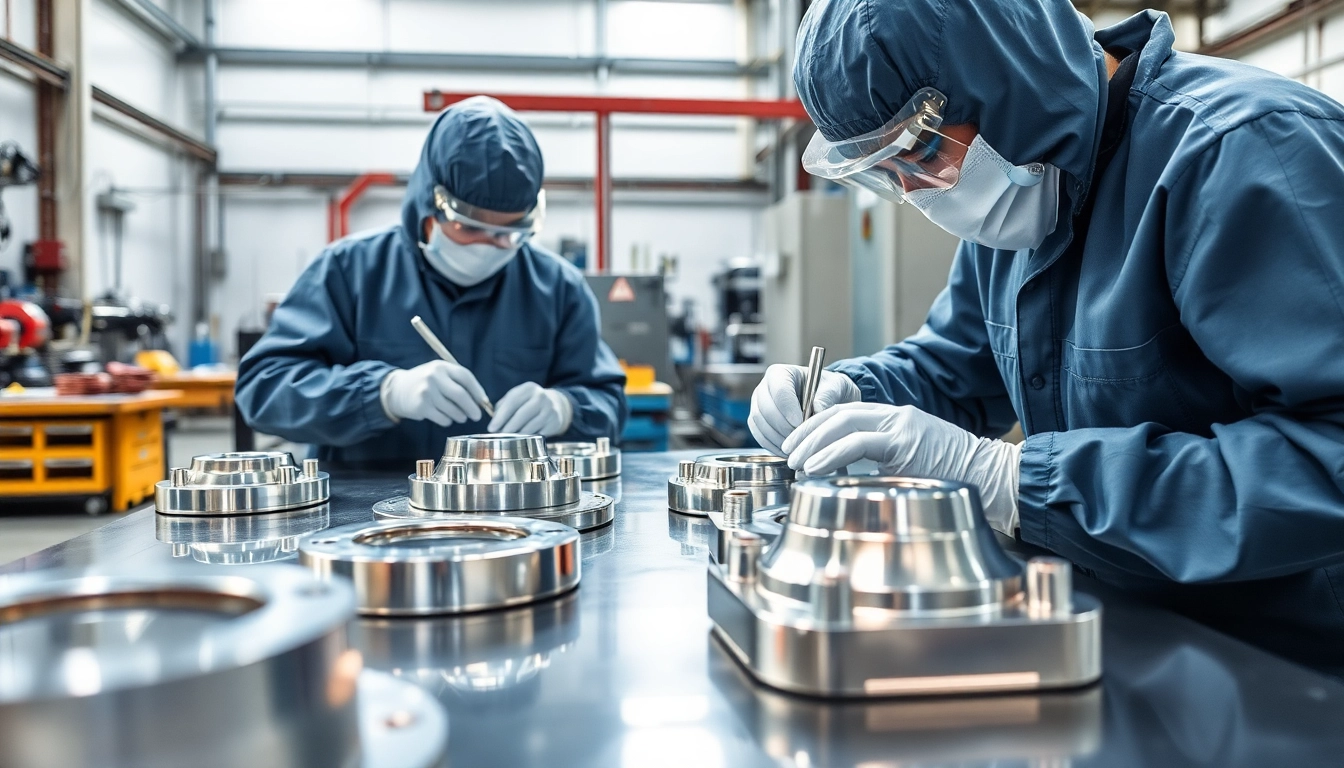
Understanding Nickel Chrome Plating in Malaysia
Nickel chrome plating has emerged as a crucial component in various manufacturing processes across Malaysia, providing enhanced durability and aesthetic appeal to a plethora of products. As Malaysia positions itself as a global industrial hub, understanding the nuances of nickel chrome plating becomes vital for businesses aiming to improve product quality and marketability. This guide delves into the fundamentals of nickel chrome plating, its benefits, applications, and best practices, ensuring that businesses in sectors such as automotive, electronics, and consumer goods can leverage this finishing process effectively. Further insights into nickel chrome plating malaysia can help manufacturers choose the right partners to optimize their operations.
What is Nickel Chrome Plating?
Nickel chrome plating is an electroplating process that deposits a thin layer of nickel and chromium onto a metal surface. This technique not only enhances the visual appeal of the finished product by providing a brilliant, reflective surface but also significantly improves corrosion resistance and wear properties. The process typically involves several steps: surface preparation, nickel plating, chromate conversion, and final finishing. Each of these steps plays a crucial role in ensuring the longevity and aesthetic quality of the plating, making it a favored choice in various industries.
Benefits of Nickel Chrome Plating for Businesses
The advantages of nickel chrome plating are manifold, especially for businesses looking to enhance their products’ performance. Here are some key benefits:
- Corrosion Resistance: The chromium layer protects the underlying metal from oxidation, significantly extending the lifespan of products.
- Aesthetic Appeal: The shiny finish improves the product’s visual appeal, making it more attractive to consumers.
- Reduced Friction: Nickel chrome plating reduces friction between moving parts, resulting in less wear and tear over time.
- Improved Hardness: The process increases surface hardness, making it ideal for items subjected to heavy use.
- Easy Maintenance: The smooth surface of nickel chrome plating facilitates easier cleaning and maintenance, which is beneficial for maintenance-intensive industries.
Applications Across Industries
Nickel chrome plating finds applications in several sectors, including:
- Automotive: Used for bumper trims, grilles, and wheel rims to enhance aesthetics and resist corrosion.
- Electronics: Ensures that connectors and components are protected against environmental damage.
- Aerospace: Utilized in components that demand high durability and resistance to extreme environments.
- Consumer Goods: Found in various household items, such as faucets and appliances, to improve appearance and longevity.
Key Techniques and Processes
Steps Involved in Nickel Chrome Plating
The nickel chrome plating process consists of several critical steps, including:
- Surface Preparation: Cleaning the metal surface to remove any contaminants and ensuring proper adhesion of the plating.
- Nickel Plating: Depositing a layer of nickel, which acts as a base for the chromium layer while providing additional corrosion resistance.
- Chromate Conversion: Applying a chromate coating to enhance the surface finish and add another layer of protection.
- Final Finishing: Polishing and inspecting the plated surface to ensure quality and consistency.
Common Challenges in Nickel Chrome Plating
While nickel chrome plating offers numerous benefits, it is not without challenges. Some common issues include:
- Surface Imperfections: Defects in the base metal can lead to flaws in the final coating, necessitating thorough surface preparation.
- Environmental Regulations: Compliance with local environmental regulations regarding the disposal of chemicals used in the plating process can complicate operations.
- Quality Control: Maintaining consistent quality across batches can be challenging due to variations in metal composition and plating techniques.
Best Practices for Optimal Results
To ensure high-quality nickel chrome plating, businesses should consider these best practices:
- Invest in Quality Equipment: Using advanced plating equipment can minimize defects and improve efficiency.
- Regular Maintenance: Routine maintenance of plating baths and equipment is essential to maintain optimal conditions.
- Training and Certification: Ensuring that staff are properly trained in techniques and safety protocols can significantly influence the quality of the output.
- Conduct Regular Inspections: Frequent inspections of both the plating process and the finished products help catch issues early and maintain standards.
Market Trends in Nickel Chrome Plating
Emerging Technologies in 2025
The nickel chrome plating industry is witnessing technological advancements that promise to enhance efficiency and sustainability. Innovations such as automated plating systems, which enable precise control of plating thickness and consistency, are becoming more prevalent. Additionally, advancements in chemical formulations are leading to reduced waste and lower environmental impact, positioning the industry towards greener practices.
Environmental Considerations and Regulations
As environmental concerns become increasingly important, nickel chrome plating companies in Malaysia must comply with stringent regulations regarding chemical use and waste disposal. Adopting eco-friendly practices and exploring alternatives, such as trivalent chromium plating, can help businesses stay competitive and aligned with global standards.
Future Projections for the Industry
By 2025, the demand for nickel chrome plating is expected to increase, driven by the growth of the automotive and electronics sectors. Emerging markets in Southeast Asia, particularly Malaysia, are poised for growth as manufacturers seek high-quality finishing processes to enhance their product offerings.
Choosing the Right Service Provider
What to Look for in a Nickel Chrome Plating Company
Selecting the right service provider for nickel chrome plating is critical. Businesses should look for the following attributes:
- Experience and Reputation: A well-established company with a solid track record is more likely to deliver quality work.
- Certifications: Look for companies that adhere to international quality standards, ensuring reliable processes and outputs.
- Range of Services: A provider that offers a variety of plating options can address multiple needs within a single partnership.
Comparing Costs and Services
When evaluating different nickel chrome plating service providers, businesses must not only consider cost but also the quality of services offered. Comparing quotes while keeping an eye on quality metrics will help in making informed decisions that align with budget constraints and performance needs.
Customer Testimonials and Case Studies
Engaging with past clients through testimonials and case studies can provide valuable insights into a company’s capabilities. Understanding previous success stories or challenges faced can help potential clients assess how well a provider will meet their needs.
Enhancing Your Business with Nickel Chrome Plating
How Plating Impacts Product Longevity
Investing in nickel chrome plating can significantly extend the lifespan of products by offering corrosion resistance and enhanced durability. This not only improves product reliability but also reduces long-term costs associated with repairs and replacements.
Improving Aesthetics and Marketability
The shiny, reflective surface offered by nickel chrome plating can elevate a product’s aesthetic appeal, making it more attractive to consumers. In competitive markets, enhancing the visual appeal can lead to increased sales and market share.
Measuring Success: Performance Indicators
To gauge the effectiveness of nickel chrome plating, businesses should track performance indicators such as product lifespan, reduction in returns due to defects, and customer satisfaction ratings. Regularly reviewing these metrics can help refine processes and improve overall product quality.